The Structure of the Dog Coat
Dog coats are made up of hair follicles that produce individual hair shafts. Each follicle can produce one or more hairs, and the number of follicles per square centimetre, combined with hair diameter and shaft shape, determines the texture and density of the coat.
Most domestic dogs have what's described as a compound follicle structure — each primary hair is surrounded by several smaller secondary hairs. In breeds with dense, thick coats, this compound structure produces the characteristic layered effect of a double coat: a longer, coarser outer coat (guard hairs) over a soft, dense undercoat.
Guard hairs have several functions. They're somewhat water-resistant, providing a degree of protection against light rain and moisture penetration. They also protect the skin from abrasion, minor debris, and UV radiation. The undercoat, by contrast, is primarily insulating — its job is thermoregulation.
Understanding this structure helps explain why certain grooming decisions make sense and others don't. It also explains why the condition of the skin is inseparable from the condition of the coat — healthy hair growth depends on healthy follicles, which depend on a healthy skin environment.
Main Dog Coat Types and Their Characteristics
Broadly, dog coats can be grouped into five main types, each with different grooming requirements and maintenance needs:
Smooth/Short Coats (Beagles, Boxers, Staffordshire Bull Terriers, Whippets): These coats lie flat against the body, lack an insulating undercoat in most cases, and require minimal grooming. They do shed, however, often more than owners expect — short hairs embed in upholstery and fabric more readily than longer ones. Regular brushing with a rubber curry or bristle brush removes loose hair and stimulates circulation.
Double Coats (Golden Retrievers, Huskies, Border Collies, Samoyeds, Labrador Retrievers): The most demanding coat type in terms of management. The undercoat grows and sheds in cycles tied to seasonal changes and daylight hours. Without regular brushing, the shed undercoat becomes trapped in the outer coat and mats. Double-coated breeds often experience two major shedding periods per year, during which the undercoat release can be dramatic.
Wire/Rough Coats (Fox Terriers, Border Terriers, many Schnauzers): These coats have a harsh, bristly texture and don't shed in the typical way. Instead, dead coat needs to be "stripped" — removed by hand or with a stripping knife — rather than brushed out. Many owners opt for clipping instead, which is lower maintenance but gradually changes the coat texture over time.
Curly/Wavy Coats (Poodles, Lagotto Romagnolo, and many Doodle crosses): These coats shed minimally but grow continuously, making regular professional grooming essential. Loose hairs tangle in the curl structure rather than falling out, and without regular brushing and clipping, curly coats mat rapidly. They're also prone to collecting debris and organic matter that can lead to skin irritation if left unaddressed.
Long, Flowing Coats (Shih Tzus, Maltese, Afghan Hounds, Yorkshire Terriers): These require frequent brushing and either regular trimming or dedicated daily maintenance to prevent matting. The coat grows continuously and lacks the natural self-cleaning properties of shorter coats.
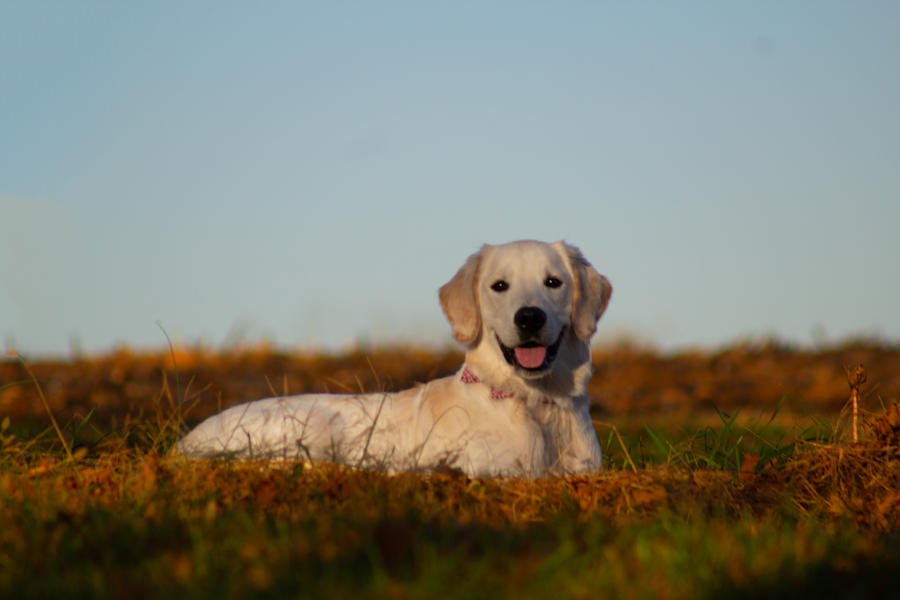
Understanding your dog's specific coat type is the foundation of appropriate grooming care.
The Skin Beneath: What Coat Condition Is Actually Telling You
A coat's visible condition is largely a reflection of what's happening with the skin underneath. A dull, dry, or brittle coat often signals something — it might be a nutritional deficiency, a skin condition, hormonal changes, seasonal stress, or simply inadequate moisture in the environment. Similarly, a coat that's suddenly losing condition — particularly in an older dog — warrants a conversation with a vet rather than a grooming intervention.
Healthy skin is the foundation of a healthy coat. Dog skin has a naturally slightly acidic pH, which supports its protective barrier function and controls the balance of resident microorganisms on the surface. Products that disrupt this balance — including human shampoos, harsh cleaning agents, or overly frequent bathing — can lead to dryness, flaking, and increased vulnerability to infection.
The skin's sebaceous glands produce sebum — the natural oily coating that helps lubricate hair shafts and maintains the moisture barrier. Brushing distributes sebum from the follicles along the hair shaft, which is one reason why regular brushing contributes to coat condition and shine beyond just preventing tangles.
Seasonal Shedding: Understanding the Cycle
Shedding is a normal, healthy process — not a sign that something is wrong with your dog. The hair growth cycle in dogs has three distinct phases: an active growth phase (anagen), a transitional phase (catagen), and a resting phase (telogen) during which the hair eventually falls out.
In dogs with double coats, this cycle is significantly influenced by photoperiod — changes in day length. As days shorten heading into winter, the undercoat thickens and densifies. As spring arrives and days lengthen, this accumulated undercoat releases — what most owners describe as "blowing the coat." The same process happens in reverse as days shorten again in autumn.
Indoor dogs, whose exposure to natural light cycles is less defined, may shed more year-round rather than in distinct seasonal bursts. Dogs kept predominantly outdoors tend to have more pronounced seasonal shedding patterns.
During peak shedding periods, the release of undercoat can be substantial — particularly in breeds like Huskies, Malamutes, and Samoyeds. Daily brushing during these periods is usually necessary to stay on top of loose coat. Professional de-shedding treatments, which use specialised tools to remove undercoat efficiently in a single session, can make a real practical difference to how manageable the coat is in the weeks following.
Common Grooming Misconceptions
A number of persistent myths about dog coat care circulate among owners, and it's worth addressing some of them directly.
"Shaving my double-coated dog will help them stay cool in summer." This is probably the most common misconception in dog grooming. The double coat's undercoat acts as insulation — it works in both directions, keeping warmth in during winter and slowing the transfer of external heat to the skin during summer. Removing the outer coat exposes the skin to direct sunlight and disrupts the thermoregulatory system. Additionally, once a double coat is shaved, it may not regrow correctly — a condition sometimes called "post-clipping alopecia," where the coat comes back patchy, with altered texture, or in some cases doesn't regrow normally at all. There are specific situations where clipping might be appropriate (severe matting, certain medical conditions), but summer heat management is generally not a good reason.
"My dog's coat is matted because they're dirty." Matting occurs when loose hairs become entangled and compress together — usually as a result of irregular brushing, moisture (bathing without drying properly, swimming), or friction from collars, harnesses, and spots where the dog lies. Cleanliness isn't directly related. A freshly bathed dog who isn't properly brushed and dried will mat faster than a dirty dog who's brushed regularly.
"Professional grooming is only necessary for certain breeds." While some breeds genuinely require professional grooming (anything that needs clipping, stripping, or breed-specific styling), professional grooming provides value for most dogs — thorough bathing and drying for double-coated breeds, de-shedding, nail grinding, and a trained eye checking the coat and skin condition. It's a supplement to home care, not a substitute for it.
"If my dog doesn't shed, I don't need to brush them." Low-shedding dogs (Poodles, Doodle crosses, Bichon Frise) arguably need more frequent brushing than heavy-shedding dogs. Their loose hair collects inside the coat rather than falling out, making matting much more likely without regular maintenance.
The Role of Nutrition in Coat Health
The connection between diet and coat condition is well established. Hair is largely made of a protein called keratin, and dogs on protein-deficient diets often show this in their coats before other signs become apparent. Omega-3 and omega-6 fatty acids also play an important role in maintaining the skin's moisture barrier and reducing inflammation — their deficiency is associated with dry, flaky skin and a dull coat.
Most quality commercial dog foods are formulated to meet nutritional requirements adequately. However, dogs with skin conditions, unusual coat changes, or specific dietary needs may benefit from targeted supplementation — always under veterinary guidance. Fish oil is probably the most commonly recommended supplement for coat condition, and there's good evidence to support its usefulness in dogs with inflammatory skin conditions. However, adding supplements to an already balanced diet isn't always necessary and can occasionally cause imbalances — again, a vet is the right person to advise on this.
When to See a Vet vs. a Groomer
Groomers observe a lot and often notice things that owners may have missed. It's not uncommon for a dog to be brought in for a routine groom and have the groomer note a new lump, area of skin irritation, or change in coat quality that warrants veterinary attention. Good groomers communicate these observations clearly to owners.
However, groomers are not vets, and anything observed during a grooming session that causes concern should be followed up with a veterinarian. Skin infections, unusual lesions, significant hair loss in localised patches, or changes in coat condition that don't respond to improved nutrition and grooming are all reasons to see a vet rather than adjust the grooming routine.
Frequently Asked Questions
Questions about your dog's specific coat type or what grooming approach would suit them? We're happy to advise during an appointment or get in touch ahead of time.
Book an Appointment View Services