Why Routine Matters More Than Frequency
There's a common misconception that good dog grooming is about how often you bathe your dog or how regularly you book them in at a salon. The reality is more nuanced — and more forgiving. What matters most for a dog's coat and skin health isn't strict frequency, but predictability and thoroughness when you do it.
Dogs are creatures of habit. A dog who is groomed regularly — even imperfectly — is typically more settled and cooperative during sessions than a dog who only sees grooming tools twice a year. Familiarity with the process, the tools, and the handling reduces anxiety, makes the experience more pleasant for everyone involved, and tends to result in a healthier coat over time.
That said, "consistent" does mean something different depending on your dog's coat type. A short-coated Beagle and a long-coated Golden Retriever have genuinely different needs, and understanding those differences is the starting point for building a routine that's actually manageable.
Brushing: The Foundation of Any Grooming Routine
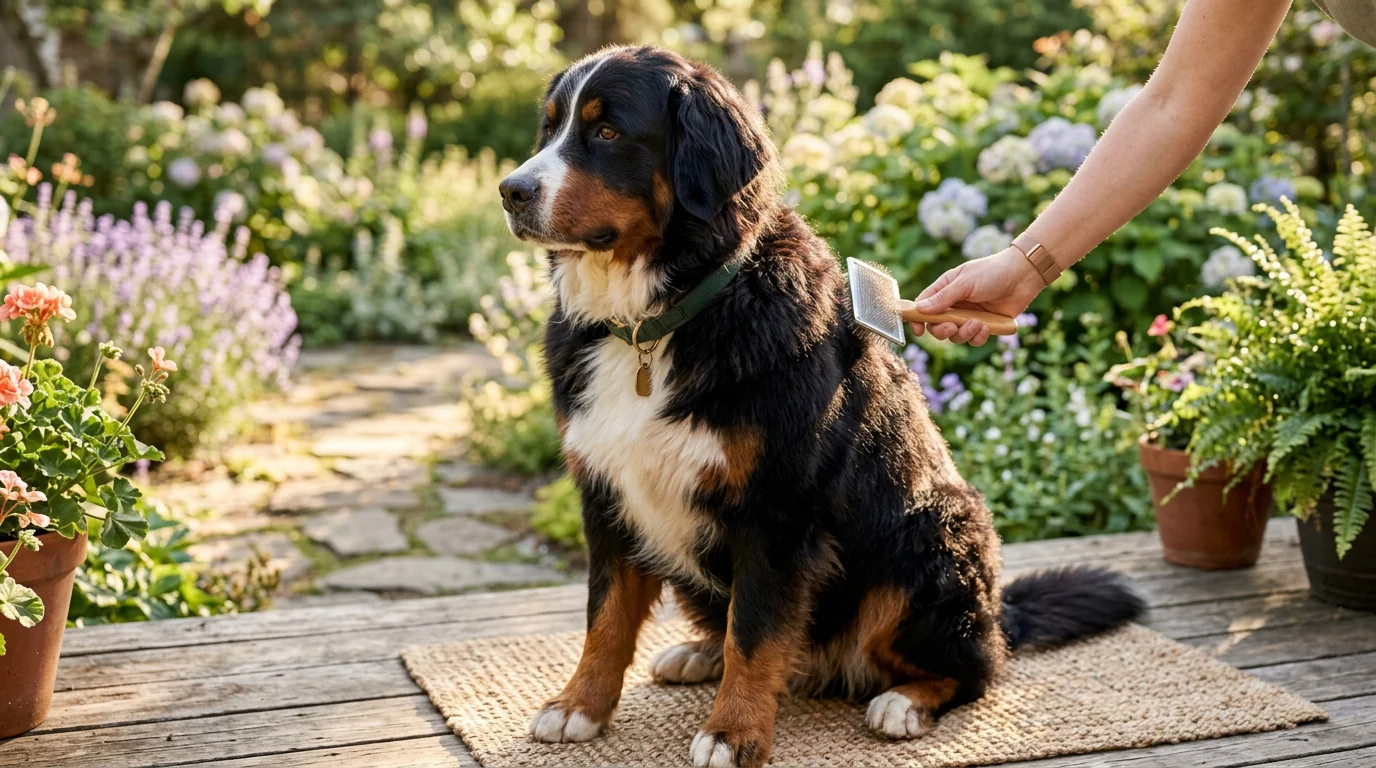
Brushing is probably the most important home grooming task you can maintain, regardless of breed. It removes loose hair, prevents tangles from forming, distributes natural oils through the coat, and gives you the opportunity to notice any changes in your dog's skin, coat condition, or body.
For short, smooth coats (Beagles, Boxers, Greyhounds), a weekly brush with a rubber curry brush or bristle brush is usually enough. You're not dealing with tangles here — the main goal is removing loose hair and stimulating circulation. These are low-maintenance coats.
For medium-length coats (Labrador Retrievers, Border Collies, Australian Shepherds), two to three times per week is a reasonable baseline. During shedding season — typically autumn and spring — you may find daily brushing keeps the undercoat under control and reduces the amount of hair on your furniture. A slicker brush or undercoat rake tends to work well here.
For long or double coats (Golden Retrievers, Huskies, Samoyeds, Malamutes), daily brushing is ideal and, during peak shedding, close to essential if you want to prevent significant matting. These coats are beautiful but demanding. The undercoat — the soft, dense layer beneath the visible coat — is what mats, and it mats quickly if brushing is skipped for even a week or two.
For curly or wavy coats (Poodles, Cavoodles, Labradoodles), daily combing is usually recommended. Curly coats don't shed visibly in the same way other breeds do — loose hair gets caught in the coat rather than falling out. Left unattended, this leads to matting that can be difficult to resolve without clipping close to the skin.
Bathing: How Often Is Often Enough?
Most healthy dogs don't need bathing more than once every four to six weeks. Some dogs — particularly those with dry skin, skin conditions, or who spend a lot of time indoors — may actually benefit from less frequent bathing to preserve their coat's natural oils.
Dogs who spend significant time outdoors, swim regularly, roll in things (as dogs do), or have certain coat types may need more frequent bathing. The general principle is: bathe when your dog needs it, not on a rigid calendar.
When you do bathe your dog at home, a few things are worth keeping in mind. Use a shampoo formulated specifically for dogs — human shampoos have a different pH and can disrupt the skin's natural balance. Make sure the water temperature is warm but not hot. Rinse thoroughly, since shampoo residue on the skin can cause irritation. And dry properly afterwards, particularly in dogs with dense undercoats where moisture can sit against the skin for extended periods.
For heavily double-coated breeds, proper drying after bathing is particularly important. A forced-air dryer (not a standard human hairdryer at close range) is the most effective tool for penetrating the undercoat and removing retained moisture. Many owners find it easier to have professional groomers handle baths for these breeds, where the equipment makes the process faster and more thorough.
Nails: The Often-Neglected Part of the Routine
Nail care is arguably the most neglected part of home dog grooming, and it's one that has real consequences when ignored. Overgrown nails change the way a dog's paw contacts the ground. Over time, this can affect posture, gait, and cause discomfort — particularly in older dogs.
How quickly nails grow varies significantly by dog. Some dogs who walk on hard surfaces regularly wear their nails naturally and need trimming less often. Others — particularly smaller or less active dogs — may need attention every three to four weeks.
The best way to tell if your dog's nails need trimming is sound: if you can hear them clicking on hard floors, they're ready for a trim. Visually, nails should not curl under or touch the ground when the dog stands naturally.
Nail trimming is one of those skills that's worth learning properly — both the technique and reading your dog's comfort level during the process. Many dogs become anxious around nail trims, particularly if they've had a bad experience (clipping the quick, which contains nerves and blood vessels, is painful and undermines trust). If you're unsure, having a groomer handle nails as a standalone service while you learn alongside is a practical option.
Ears, Eyes, and Teeth
Beyond coat and nails, a complete grooming routine includes some attention to the face and ears.
Ears: Some dogs are more prone to ear buildup than others — particularly those with floppy ears or dogs who swim. A visual check weekly and a gentle clean with a dog-safe ear cleaner when needed is generally sufficient. If you notice redness, unusual odour, or your dog scratching at their ears persistently, that warrants a vet visit rather than a home treatment.
Eyes: Gently wiping away discharge around the eyes with a damp cloth is a standard part of routine care, particularly in breeds that are prone to tear staining (Shih Tzus, Maltese, Poodle crosses). Persistent discharge or redness should be checked by a vet.
Teeth: Dental care is technically outside the scope of grooming, but it's worth raising because it affects overall health meaningfully. Daily tooth brushing with a dog-safe toothpaste is ideal. Many dogs can be trained to accept this with positive reinforcement, particularly if started young.
Seasonal Adjustments
Australia's climate means dogs experience relatively defined seasonal transitions, and coat management needs to shift accordingly.
During autumn and spring, shedding typically increases as dogs transition between summer and winter coats. Brushing frequency should increase during these periods, and de-shedding treatments — which use specialised tools and techniques to remove undercoat efficiently — can make a real difference to how manageable the coat is during these transitions.
In summer, heat and humidity affect coat condition differently depending on breed. Double-coated breeds actually benefit from their undercoat during summer — it acts as insulation against heat as well as cold. The common impulse to shave double coats in summer can disrupt this insulation function and damage the coat's regrowth cycle.
In winter, dogs spending time outdoors in wet conditions may need more frequent drying and brushing, as damp coats can mat more quickly and trap debris. Indoor dogs in heated homes may experience drier skin due to lower humidity, and a moisturising conditioner used after bathing can help.
Setting Up for Home Grooming Success
One of the practical barriers to consistent home grooming is not having the right tools. Investing in a few good-quality items makes a genuine difference to the experience — both for you and your dog.
The basic toolkit for most dogs should include a slicker brush or bristle brush appropriate for your dog's coat length, a metal comb (invaluable for checking for hidden tangles), nail clippers designed for your dog's nail size (with styptic powder on hand in case you clip the quick), a gentle dog shampoo and conditioner, and a grooming table or non-slip surface if possible.
Beyond equipment, the biggest factor in home grooming success is keeping sessions calm and positive. Short, low-pressure sessions — even five minutes of brushing — done regularly are far more beneficial than infrequent, rushed sessions. Pair handling with praise and treats, particularly if your dog is young or anxious, and try to end each session on a positive note.
When to Bring in a Professional
Home grooming and professional grooming work best as complements rather than alternatives. Regular home brushing and maintenance keeps the coat in good condition between appointments, and professional grooming handles the parts that are genuinely difficult to do well at home — scissor work, de-shedding, bathing and drying for heavy coats, and nail grinding.
For most dogs, professional grooming every six to ten weeks is a reasonable interval. Curly and long-coated breeds may need appointments more frequently — every four to eight weeks — to prevent matting that becomes difficult to manage. Short-coated dogs may only need professional grooming a few times per year, supplemented by regular home care.
Frequently Asked Questions
If you'd like to discuss what grooming routine would best suit your dog's breed and coat type, our team is happy to chat during your appointment or via our contact form.
Book an Appointment See Our Services